


Wie meine Mutter fast abgetrieben hat
(How My Mother Almost Miscarried)
As my parents left their wedding ceremony, heading for the car, celebration echoed through the air.
My grandfather, in the spirit of tradition, fired his gun into the sky, but one bullet lodged in the barrel.
When he set the gun down, it misfired—striking my grandaunt, piercing both her legs.
Hearing the screams, my mother turned, and the sight of her aunt’s blood drained the color from her face. Pain seized her belly.
Rushed to the hospital, she was told she might give birth too soon.
I arrived four weeks later than expected.
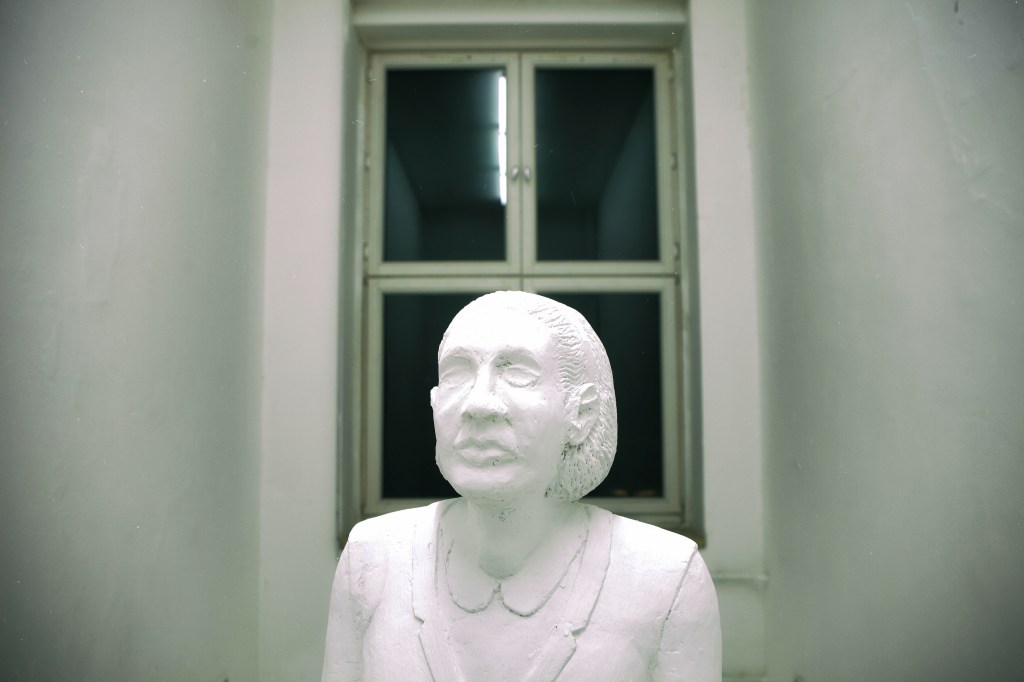
This work is based on a family story about an accident during my parents’ wedding that almost caused my premature birth. The incident served as a starting point for exploring how traumatic events are perceived and understood through retelling and mythologization.
By visually presenting this personal narrative, I aimed to investigate the varied ways in which audiences reinterpret and relate to such imagery. The work engages with the subjectivity of memory and trauma, asking how individual experiences shape the understanding of personal histories and what happens when these stories are shared with a broader audience.
Author: Duško Ruljević
Special thanks to: Ivana Ruljević




Wie meine Mutter fast abgetrieben hat
(How My Mother Almost Miscarried)
As my parents left their wedding ceremony, heading for the car, celebration echoed through the air.
My grandfather, in the spirit of tradition, fired his gun into the sky, but one bullet lodged in the barrel.
When he set the gun down, it misfired—striking my grandaunt, piercing both her legs.
Hearing the screams, my mother turned, and the sight of her aunt’s blood drained the color from her face. Pain seized her belly.
Rushed to the hospital, she was told she might give birth too soon.
I arrived four weeks later than expected.
This work is based on a family story about an accident during my parents’ wedding that almost caused my premature birth. The incident served as a starting point for exploring how traumatic events are perceived and understood through retelling and mythologization.
By visually presenting this personal narrative, I aimed to investigate the varied ways in which audiences reinterpret and relate to such imagery. The work engages with the subjectivity of memory and trauma, asking how individual experiences shape the understanding of personal histories and what happens when these stories are shared with a broader audience.
Author: Duško Ruljević
Special thanks to: Ivana Ruljević
 DUŠKO RULJEVIĆ